Academy Greenlights A.I. in Oscar-Eligible Films, With Caveats
The Academy of Motion Picture Arts and Sciences has approved the use of artificial intelligence in films competing for Oscars, attaching caveats to a decision announced in 2025. That is the headline fact, and it arrives after two years of industry argument over what machine-generated material means for authorship, credit and eligibility.
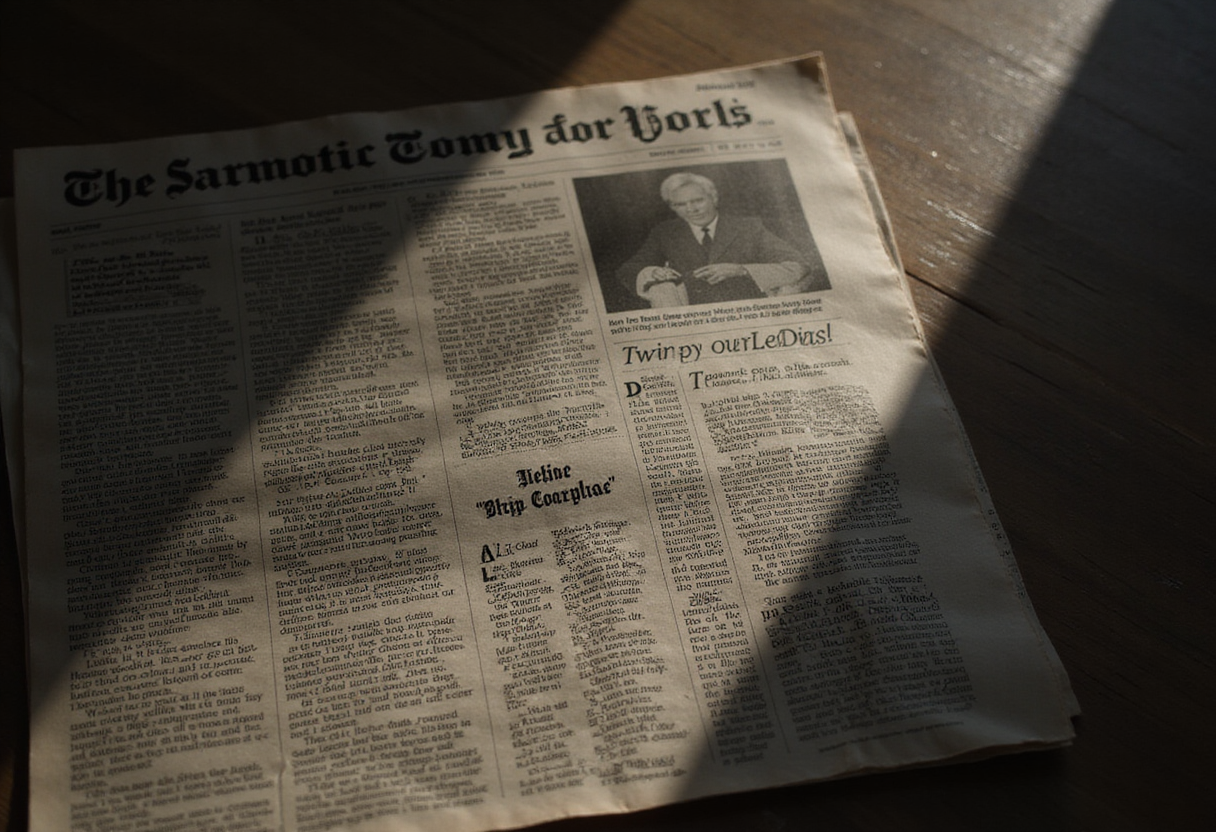
The reporting, carried by The New York Times under the headline "Oscars OK the Use of A.I., With Caveats," confirms the direction of travel rather than every mechanic. The Academy did not impose a ban. It chose permission with conditions. For an organization that took 73 years to move from five Best Picture nominees to a variable slate, speed is relative. This decision took considerably less deliberation.
What does the ruling permit?
In practical terms, filmmakers may now use A.I. tools in productions seeking Oscar consideration without automatic disqualification. The caveats matter as much as the permission. Historically, Academy rules have hinged on human authorship: the awards exist to honor craft performed by people, and branches vote on the work of named individuals.
The open questions are the familiar ones:
- Whether A.I.-assisted elements affect eligibility in craft categories such as Visual Effects, Cinematography or Makeup and Hairstyling.
- How disclosure works — whether entrants must declare which components were machine-generated.
- Whether the caveats distinguish between A.I. as a tool wielded by artists and A.I. as a substitute for them.
What does it change in the race?
Plenty, potentially. Studios have already folded generative tools into production pipelines, from previsualization to de-aging to dialogue cleanup. A hard ban would have forced either mass non-compliance or mass silence. Permission removes that fork.
The risk sits with the voting branches. Oscar campaigns run on narratives of craft — the cinematographer who waited for one hour of light, the composer at the piano. A film widely understood as machine-heavy may find those narratives harder to sell. Voters, roughly 10,000 of them across 17 branches, remain human, and humans keep score.
Who pushed for this?
The technology arrived before the rules did. De-aging and voice synthesis have appeared in nominated films for several seasons without triggering eligibility crises, which made a formal position harder to defer. The Academy's 2025 decision resolves the ambiguity on the side of the studios and the toolmakers.
Craft guilds have been less enthusiastic. Their concern is employment: if a tool reduces the number of working days available to members, an award sanctioned by the Academy offers thin consolation. Expect that tension to surface in campaign season rather than in the rulebook.
The verdict
The Academy has chosen the permissive path, and the caveats will do the real work. Rules without enforcement mechanisms tend to be mood lighting. The 2026 ceremony — scheduled, as ever, for late February or early March — will offer the first full test of how voters treat A.I.-assisted work when the envelopes open.
Permission granted. Consequences pending.
Source: Google News: academy awards
Daniel Okafor
Show full bio
Senior reporter covering companies, deals and strategy in awards industry at Awards Review.