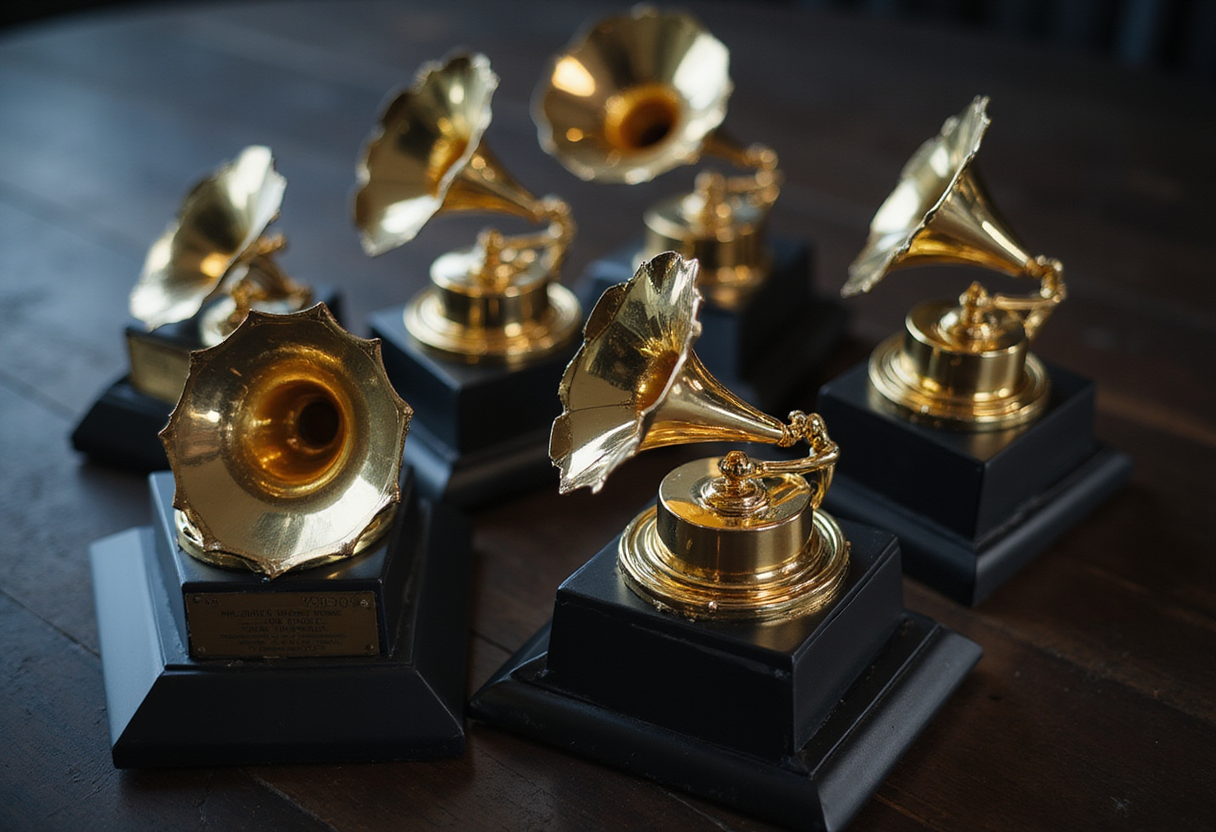
Grammys Relax Best New Artist Eligibility, Paste Reports
The Recording Academy has loosened its Best New Artist eligibility rules for a second time in three years, Paste Magazine reported. The change follows the 2022 rewrite that replaced a long-standing 30-year career cap with a nominations-based test, and it lands ahead of the eligibility window for the 68th Grammy Awards in February 2026.
What does the source actually say?
The Paste headline carries the operative word: "even looser." The reporting aggregated through Google News consists of the headline, the source outlet, and a link to the original article. The full revised criteria did not appear in the version of the report that reached the Awards Review desk. Awards desks can confirm the direction of the change but not, at this point, the specific thresholds that moved.
What did the 2022 reset change?
In April 2022 the Academy dropped its 30-year career cap, the most-cited objection to the category since the 1990s. Veterans returning to recording could not enter under the old rule. The replacement system set a prior-nominations test: an artist with three or more prior nominations in any general-field or genre-field category became ineligible. Olivia Rodrigo won the first post-cap Best New Artist trophy at the 64th Grammys the same month.
Recent winners under the post-2022 rules:
- 2022: Olivia Rodrigo (64th Grammys, April 2022)
- 2023: Samara Joy (65th Grammys, February 2023)
- 2024: Victoria Monét (66th Grammys, February 2024)
- 2025: Chappell Roan (67th Grammys, February 2025)
Why does the rule book keep moving?
Best New Artist is the only general-field category defined by eligibility rather than by a specific work. Record of the Year, Album of the Year, Song of the Year, and Producer of the Year, Non-Classical each name a recording. Best New Artist names a career stage. That structural feature generates disputes, because no two careers look the same and the committee draws the boundaries by vote. The 2022 rewrite answered one set of complaints and created another. The Paste headline suggests the Academy has now answered those new complaints in the same direction it answered the old ones.
The Academy has also wrestled with the producer rule for years, dropping the requirement that an artist submit a separate producer-eligible recording in 2022. That quiet technical change gets less press attention but reshapes the field in similar ways: one recording can qualify its maker in multiple categories. Best New Artist, by contrast, has no such overlap. An artist is either eligible or not.
What could the new change mean?
Without the revised language in hand, only the direction is confirmable. A looser test could plausibly reopen the door to artists whose prior recognition sits in genre categories rather than general-field ones, or to artists with longer release histories whose crossover into major nominations came late. The exact scope depends on the wording the Academy releases, and on whether the new test reduces the prior-nominations count, alters the categories that count, or both.
For the 2025 cycle, the one feeding the 68th Grammys, labels and publicists will now reassess which of their clients clears the new bar. That work typically begins in the spring, after the prior ceremony, and continues through the September eligibility cut-off.
The takeaway
The rule book is moving in the same direction it moved in 2022, the specifics will shape the 68th Grammy Awards shortlist, and the Academy has not yet published the language that defines the change.
Source: Google News: grammys recording academy
Tom Whitfield
Show full bio
Market editor covering regulation, policy and their impact on awards industry at Awards Review.