Oscars' New Compulsory Viewing Rule Faces Swift Industry Backlash
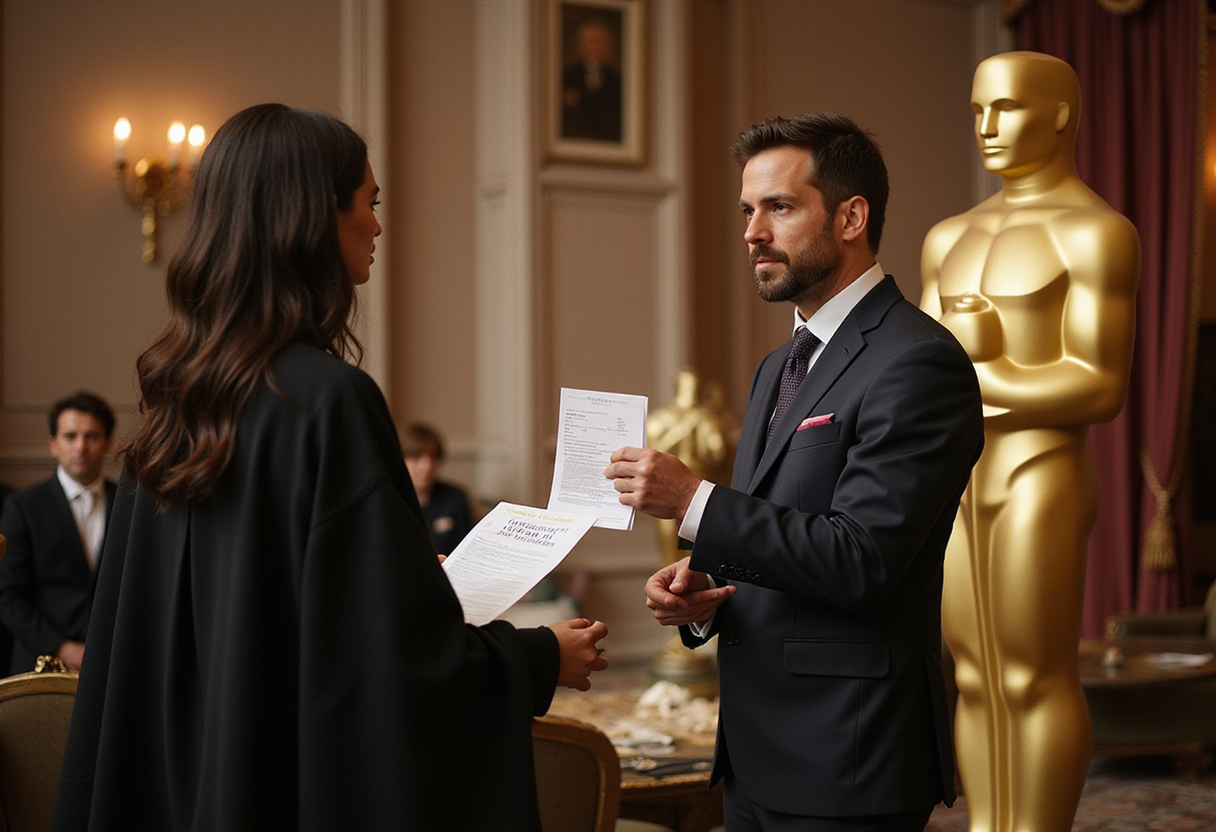
The Academy of Motion Picture Arts and Sciences has rolled out a compulsory viewing requirement for Oscar nominees, and the procedural shift has drawn pushback within hours of the change being reported by industry trades.
The Guardian's coverage crystallized the central objection in a line now circulating across awards circles: "Were they just voting on vibes?"
That single sentence captures the procedural anxiety the new rule was designed to address — and the reason it is, paradoxically, also being attacked.
What does the mandate actually introduce?
Under the new requirement, members must confirm they have watched the relevant nominated films before their ballot counts.
The change appears to be the Academy's most explicit procedural intervention in voter behavior to date — codifying viewing as a formal precondition rather than an assumed professional norm.
It lands against a wider industry backdrop of sustained complaints — including from Academy members themselves — that voting outcomes are sometimes shaped less by the films than by the willingness of voters to actually screen them.
Why are critics pushing back?
Skeptics argue the rule ratifies a problem the Academy has tolerated for years: members casting ballots without engaging with the films tied to their vote.
The Guardian's headline captures the suspicion — that significant numbers of voters have been deciding on reputation, campaign reach and industry buzz rather than the actual films on their screeners.
Supporters counter that the rule creates a paper trail and forces a baseline of accountability.
Filmmakers and campaign strategists have pressed for some form of confirmation step across multiple voting cycles. Many in the industry broadly welcome the framing even as they push for sharper enforcement teeth.
What does the rule fail to solve?
The backlash also targets what the mandate leaves unresolved: enforcement and consequence. Awards-trade commentary has asked what happens to non-compliant members.
Will their ballots be invalidated? Will they face procedural review? Or will the confirmation remain effectively honor-system? The Academy has not, in initial coverage, spelled out the penalty mechanics alongside the announcement.
Strategists also flagged the time burden. A voter working through dozens of screeners now faces an additional compliance layer — without any clear guarantee that the underlying viewing culture shifts.
A checklist, in other words, addresses accountability on paper but leaves behavior untouched.
What does this change in the race?
For campaigns, the rule introduces a new variable.
Operations built on aggressive screener distribution and personalized outreach could see their advantage extend, since they are best positioned to reduce friction for time-pressed voters.
Smaller specialty campaigns may face a steeper climb in categories where every viewed ballot matters — already the segments where voter-fatigue complaints have historically done the most damage.
For nominees, the practical effect is more limited. Most serious contenders assume voters will, at minimum, make a credible attempt to engage with the work.
The rule is unlikely to redraw the race on its own, though it may compress margins in tight contests where a small cluster of unviewed ballots has historically decided outcomes.
What the backlash really registers, then, is procedural frustration rather than wholesale opposition.
Members want the rule's underlying problem addressed in full — and they want the Academy to define, with some specificity, what happens when someone chooses to ignore it.
Source: Google News: academy awards
James Calloway
Show full bio
News editor covering marketplaces and e-commerce at Awards Review.