Oscars 2026: Academy Unveils New Rules and Opens Door to AI Films
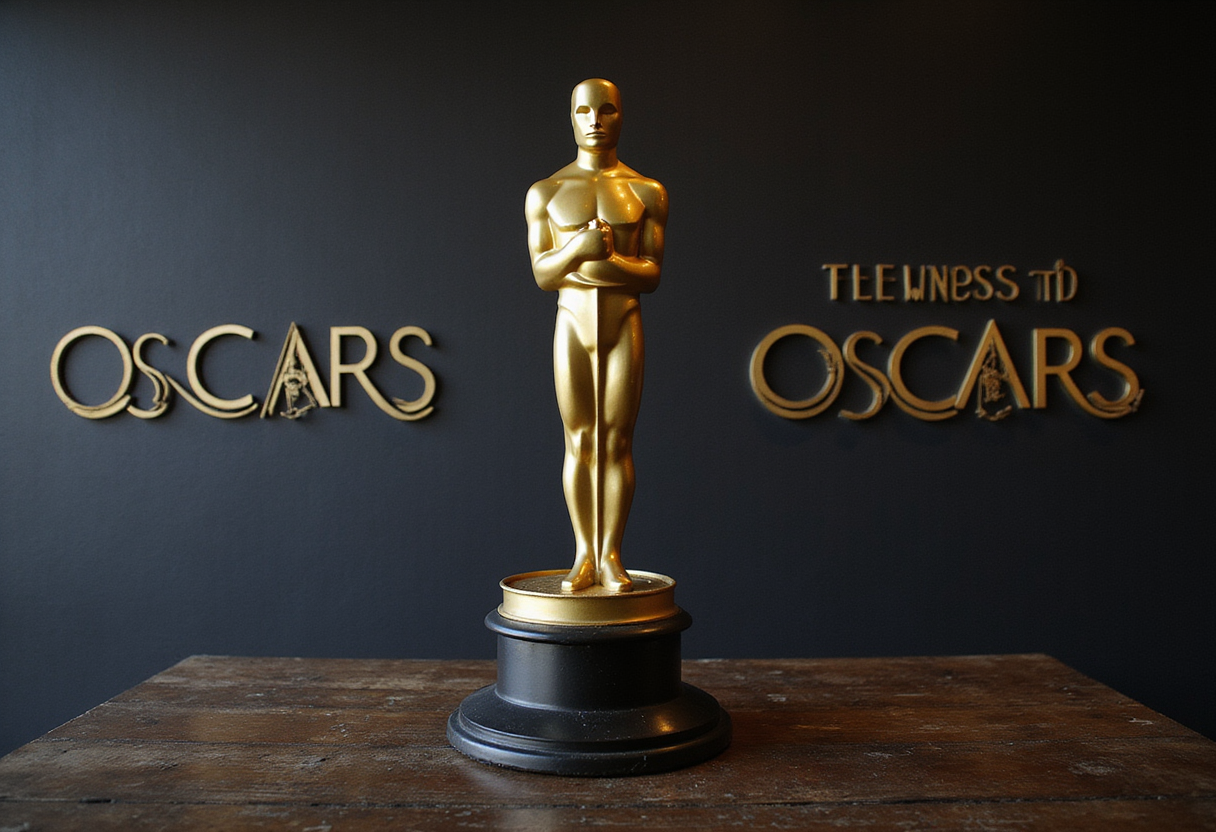
The Academy of Motion Picture Arts and Sciences has confirmed a new rules framework for the 2026 Oscars, and the headline item is eligibility for films made with artificial intelligence. The change, reported by Gulte, marks the first time the AI question has been answered at the rulebook level rather than left to case-by-case interpretation. For an institution that spent decades adjudicating whether a motion-capture performance counted as acting, this counts as brisk.
The timing matters. Studios have spent the past several years integrating AI tools into visual effects, de-aging, dubbing and, increasingly, script development. Until now, the Academy's rules — written for a pre-generative era — simply did not address the question head-on. The 2026 framework changes that.
What do the new rules actually cover?
According to the report, the Academy has issued a set of rule changes for the upcoming season, with AI-generated films welcomed into the competition. The practical effect is straightforward:
- Films incorporating AI-generated content can compete for Oscars under the revised framework.
- The rulebook has been updated for the 2026 awards cycle, covering the films that will contend at the next ceremony.
- The Academy has formalized a position that previously lived in ambiguity, where AI-heavy productions risked uncertain treatment from branch committees.
That last point is the quiet revolution here. Awards races are decided by eligibility rulings as much as by campaigns, and ambiguity tends to favor whoever can afford the lawyers.
Why is this landing now?
The pressure has been building from both directions. On one side, studios and VFX houses have pushed for clarity, arguing that AI-assisted pipelines are now standard across big-budget productions. On the other, industry guilds and creative workers have spent the period since the 2023 strikes demanding disclosure and credit protections around generative tools.
The Academy sits between those camps. Its rules function as the industry's de facto standard-setting mechanism; when the Oscar rulebook moves, festival qualification policies and guild agreements tend to follow within a season or two.
The 2026 revision signals that the Academy has chosen accommodation over prohibition. That is a verdict, of sorts. The shorthand version: the AI film is no longer a hypothetical entrant. It is a category of entrant.
What does this change in the race?
For campaigners, the immediate consequence is strategic. Producers of AI-heavy titles no longer face the choice between hiding their methods and risking disqualification. Disclosure becomes survivable.
There are second-order effects worth watching:
- The VFX branch becomes the front line. AI-assisted effects work will now be judged against traditional craft on the same ballot, forcing voters to decide what they are actually rewarding.
- Credit disputes get harder, not easier. Eligibility for AI content raises the follow-on question of who, precisely, is the author of an AI-assisted achievement — a question the new framework will be tested on.
- The campaign narrative shifts. Expect press tours in which directors volunteer their AI usage as innovation, and rivals frame the same usage as shortcut. Both scripts write themselves.
What the Academy has not done
It is worth being precise about the limits of the reported change. The Gulte report establishes eligibility for AI films under the new rules; it does not detail accompanying disclosure requirements, credit standards, or carve-outs for specific categories such as screenwriting or acting. Those details, when published in full, will determine whether this reads as a wide gate or a narrow one.
The verdict
The Academy has made the pragmatic choice. Banning AI outright would have pushed the technology underground and handed enforcement to litigation; blanket embrace without credit protections would have inflamed the guilds. The 2026 rules land closer to the second than the first, and that will be the argument of the season.
One thing is certain. When the next ceremony arrives, some nominee will have been made — in part — by a system that did not exist when the current rulebook was drafted. The statuettes, presumably, remain analog.
Source: Google News: academy awards
Daniel Okafor
Show full bio
Senior reporter covering companies, deals and strategy in awards industry at Awards Review.