Entry Nº 13Programme
To Hold a Mountain Sets December Theater Run Before HBO Debut
Montenegro’s Oscar candidate opens December 16 at Film Forum, follows eight years of Gara and Nada’s fight to defend the Sinjajevina plateau, and reaches HBO and HBO Max in early 2027.
Judges’ notes
- The film will open at Film Forum in New York on December 16, followed by a national rollout.
- Montenegro selected it as its Best International Feature Film candidate at the 99th Academy Awards.
- Tutorov and Glomazić spent eight years making the documentary, which centers on Gara and her 13-year-old daughter Nada.
- It won the Grand Jury Prize for World Cinema Documentary at Sundance.
- Its HBO and HBO Max premiere is scheduled for early 2027.
By Rebecca Stone
“To Hold a Mountain” will open at New York’s Film Forum on December 16, before a national rollout and an HBO/HBO Max premiere in early 2027.
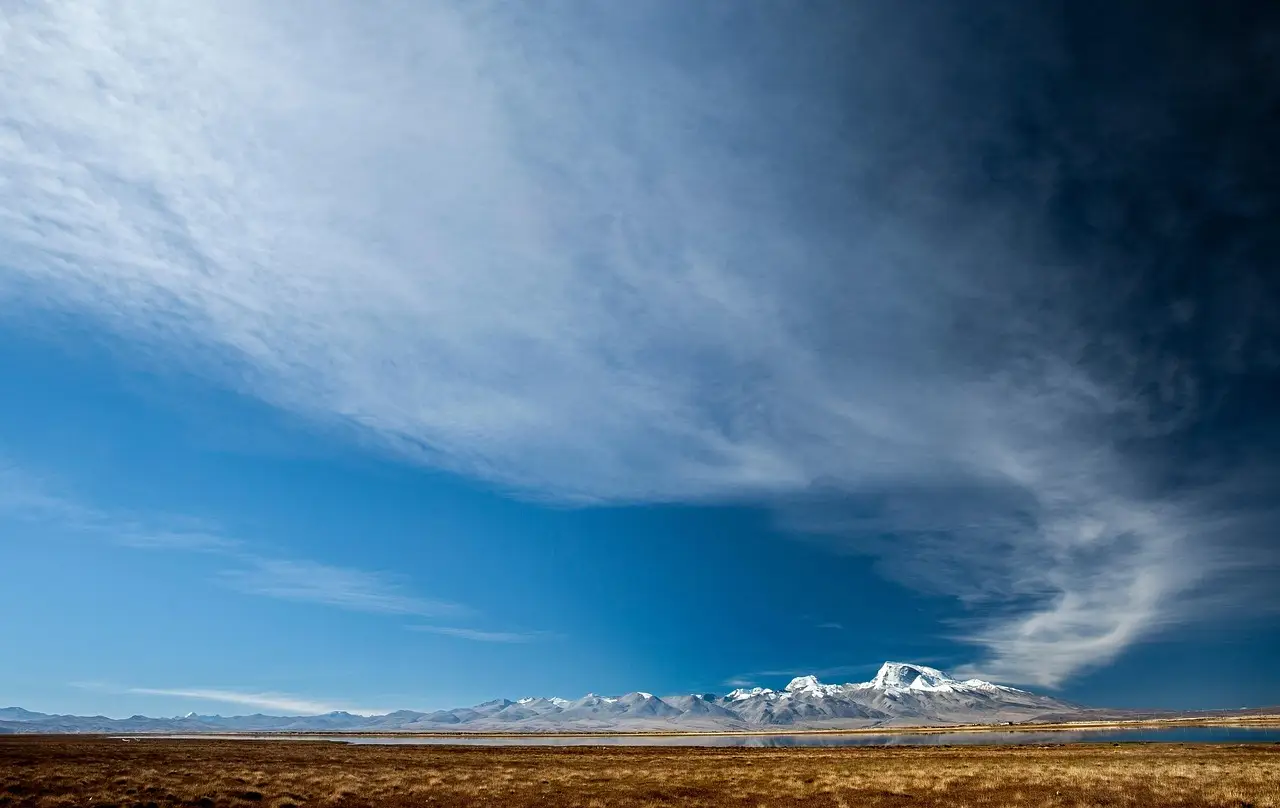
On Montenegro’s Sinjajevina plateau, Gara and her 13-year-old daughter Nada return each summer to ancestral pastures. They herd animals and gather herbs in what the film’s synopsis calls a symbiosis with the mountain they call Mother. Submarine Deluxe announced the release for the documentary directed by life and filmmaking partners Biljana Tutorov and Petar Glomazić.
That balance faces a concrete threat. The Montenegrin government’s plan for a NATO-backed military training ground inside the UNESCO-protected landscape turns the pastoral setting into a political flashpoint. Gara becomes an unexpected leader, rallying neighbors against the project; Nada’s passage toward young womanhood opens questions about her family’s inherited harm and whether she can break its cycle.
Why did filming last eight years?
At a documentary round table earlier this month at the Hot Springs Documentary Film Festival in Arkansas, Tutorov explained the unusually long production plan:
“Nada was very young when we started filming, so we knew we would film for years. We knew that we wanted her to become 18 and to kind of accept or refuse what we are doing. And during that time, we could really observe all possible qualities of these relations [between mother and daughter].”
The life and filmmaking partners spent eight years making the film, following mother and daughter like a shepherd following a seasonal flock. The long observation let them record changes in their relationship and in the family cycle of harm that Nada hopes to break.
What does the mountain mean to Gara?
“The community calls the mountain ‘mother’ actually, because they’re very aware that it’s more than a resource. It’s their shelter, it’s their companion. They talk to the mountain.”
Tutorov connected Gara’s love for Nada and the land to that political struggle, calling love a possible political tool.
The film frames Gara as a matriarch who embodies the plateau’s qualities in a patriarchal culture where male violence can shatter women’s lives. She nurtures Nada and the animals, protects the plateau and draws neighbors into opposition to the training ground.
As Nada grows, the film links encroaching violence on the land with questions about her past, future and a family pattern she hopes to break.
Where does it stand in the awards race?
Montenegro selected the film as its candidate for Best International Feature Film at the 99th Academy Awards, and the release announcement frames it as a strong contender for Oscar recognition. It has also been shortlisted for the IDA Documentary Awards and the European Film Awards.
The film’s DOC NYC Short List placement also places it among the festival’s top Oscar contenders, and it will next screen at IDFA in Amsterdam and at DOC NYC. For Oscar bookkeeping, its stated role remains Montenegro’s candidate; the DOC NYC, IDA and European Film Awards lists stand apart from that national selection.
What has the film already won?
At Sundance, where it premiered, it won the Grand Jury Prize for World Cinema Documentary. Its award record also includes:
- Grand Prix at Millennium Docs Against Gravity in Poland.
- Best Documentary Feature at the Sarajevo Film Festival.
- Jury Prize for Documentary Feature at the Minneapolis–Saint Paul International Film Festival.
- Best Documentary Directors at RiverRun in Winston-Salem, NC, for Tutorov and Glomazić.
What changes with the December release?
The U.S. calendar now moves from festival premieres and special screenings to a theatrical opening at Film Forum, followed by a national rollout. Before that opening, the film screens November 17 in Deadline’s For the Love of Docs series, with RSVPs available through the event listing.
The sequence gives the documentary a U.S. theatrical run before its early-2027 HBO/HBO Max debut, adding a public viewing window to its festival-based awards campaign. The release announcement also includes the film’s trailer.
Who made it?
- Direction: Biljana Tutorov and Petar Glomazić. Producer: Biljana Tutorov.
- Additional producers: Petar Glomazić, Quentin Laurent and Rok Biček.
- Editing: George Cragg. Cinematography: Eva Kraljević.
- Sound design: Julij Zornik and Samo Jurca. Original score: Draško Adžić.
- Executive producers: Megan Gelstein, Andrea Meditch, Jean Tsien, Bianca Oana, Petra Costa, Sean Flynn, Ben Fowlie, Lucila Moctezuma, Chandra Jessee and Rebecca Lichtenfeld for InMaat; Megha Agrawal Sood; Shanida Scotland; Julian Etienne; Meadow Fund; Julie Parker Benello; Jenni Wolfson; Monika Parekh; Grace Lay; and Jenny Warburg.
- Production: Wake Up Films, in co-production with Ardor Films, Les Films de l’oeil sauvage and Cvinger Film.
via deadline.swoogo.com (Original)
More from Rebecca Stone
Show full bio
Correspondent covering regulation, policy and their impact on awards industry at Awards Review.
103 articles
Also on the card
- IDA Shortlists 16 Features, 12 Shorts; Four Films Per Category Advance
- UK Picks 'Rehearsals For A Revolution' for Oscar International Race
- UK Submits Iran's 'Rehearsals for a Revolution' for 2027 Oscar Race
- Oscar Short Film Race: AI Experiments, 2D Horror and 40-Minute Bets
- Camerimage 2026 Unveils 15-Film Golden Frog Competition